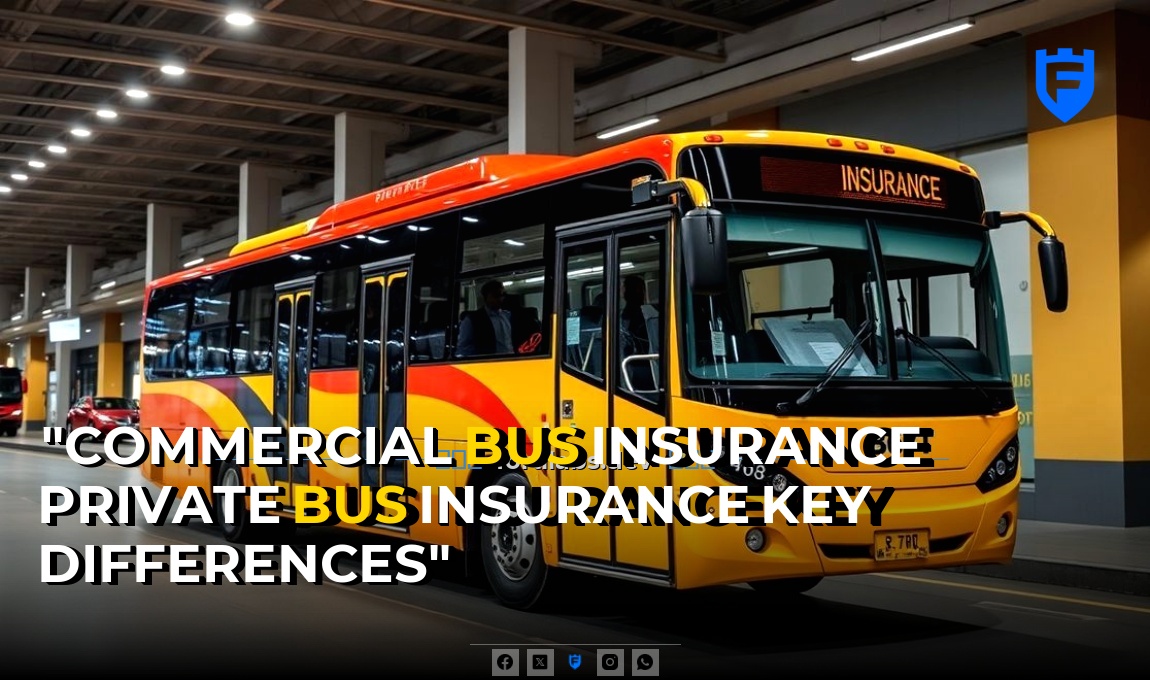
I still remember the day I realized I had made a huge mistake in my insurance approach. I was running a small shuttle service, thinking I had saved money by opting for private bus insurance. That was until an accident left me with a hefty repair bill and no coverage for my passengers’ injuries. That’s when I understood the key differences between commercial and private bus insurance, and why choosing the right one matters.
Understanding the Basics
First, let’s clear up what each type of insurance covers.
Commercial Bus Insurance
This type of insurance is designed for buses used for business purposes. This includes public transportation, tour buses, school buses, and shuttle services like mine. Commercial insurance typically covers:
- Liability: Covers damages and injuries to others if you’re at fault in an accident.
- Passenger Liability: Covers injuries to your passengers.
- Physical Damage: Covers damages to your bus, whether from an accident, theft, or vandalism.
- Uninsured/Underinsured Motorist: Protects you if the other driver doesn’t have insurance or enough of it.
Private Bus Insurance
Private bus insurance is for buses used for personal reasons, like family road trips or carpooling. It’s similar to personal auto insurance but for larger vehicles. It usually covers:
- Liability: Covers damages and injuries to others if you’re at fault.
- Collision: Covers damages to your bus from an accident.
- Full: Covers damages from non-accident events like theft, fire, or weather.
Key Differences
Now that we’ve got the basics down, let’s dive into the key differences.
Coverage Scope
Commercial insurance offers broader coverage. It’s designed to protect your business, your employees, and your passengers. Private insurance, but, is more limited. It’s meant to protect you and your personal vehicle.
For example, commercial insurance includes passenger liability, which covers injuries to your passengers. Private insurance doesn’t typically include this because it’s assumed you’re not transporting passengers for profit.
Cost
Commercial insurance is generally more expensive than private insurance. This is due to the increased risk and broader coverage. But remember, it’s not just about the cost. It’s about the protection you get for that cost.
When I first started, I chose private insurance to save money. But after that accident, I realized the extra cost of commercial insurance was worth it for the protection it offered.
Requirements
If you’re using your bus for business, you’ll likely be required to have commercial insurance. This is often a legal requirement, and it’s usually stipulated in your lease or loan agreement if you’re not the outright owner of the bus.
Private insurance won’t cut it if you’re using your bus commercially. In fact, if you’re caught doing so, your insurance company could void your policy, leaving you with no coverage at all.
When to Use Each Type
Now that we’ve covered the differences, let’s talk about when to use each type of insurance.
Use Commercial Insurance If…
- You’re using your bus for business purposes.
- you’ve passengers who are paying for your service.
- You’re required to have commercial insurance by law or by a lease/loan agreement.
- You want broad coverage that protects your business, your employees, and your passengers.
Use Private Insurance If…
- You’re using your bus for personal reasons only.
- You’re not transporting passengers for profit.
- You want more affordable coverage for your personal vehicle.
Making the Right Choice
Choosing the right insurance isn’t just about ticking boxes. It’s about understanding your needs and making an informed decision.
When I first started my shuttle service, I was so focused on keeping costs down that I made the wrong choice. But after that accident, I learned my lesson. I switched to commercial insurance and haven’t looked back since.
Don’t make the same mistake I did. Take the time to understand your needs and choose the right insurance for you. It’s not just about the cost. It’s about the protection you get for that cost.
And remember, if you’re ever unsure, talk to an insurance professional. They’re there to help you make the right choice.