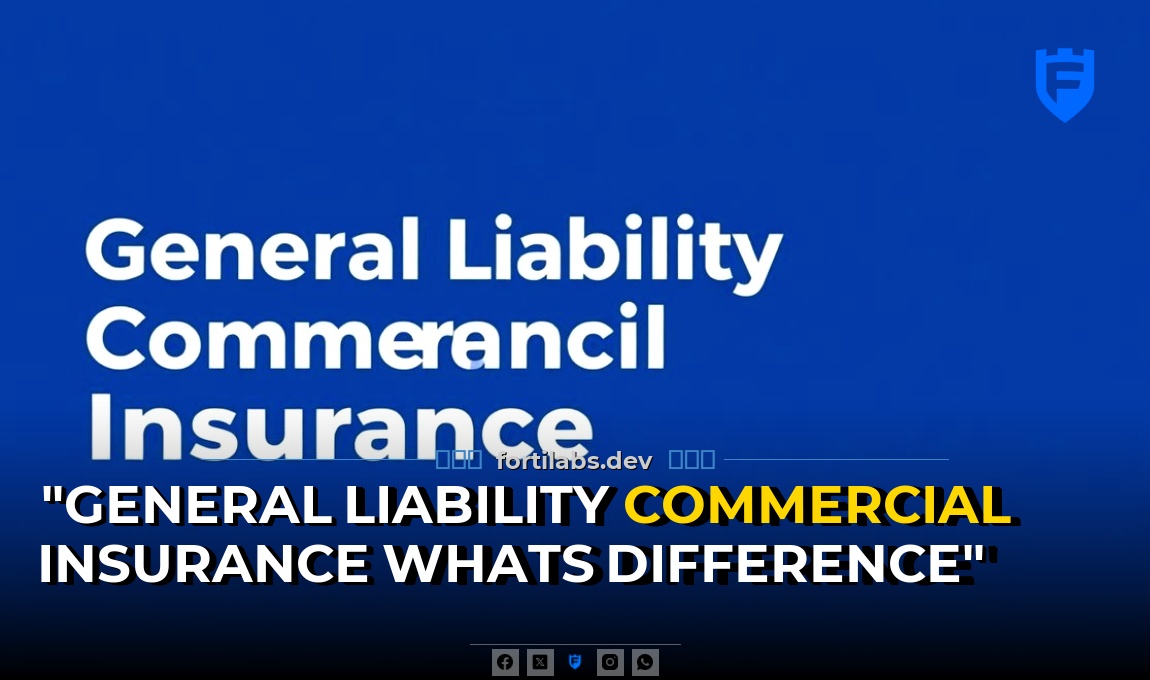
I get it. Running a business is tough, and figuring out insurance is even tougher. I learned that the hard way when a minor accident turned into a major financial headache. You might be wondering, “What’s the difference between general liability and commercial insurance?” I’m here to break it down so you don’t make the same mistakes I did.
Understanding the Basics
First things first, let’s clear up some confusion. General liability insurance and commercial insurance aren’t the same thing, but they often overlap. Think of general liability as a subset of commercial insurance. It’s like comparing a single tool to an entire toolbox—both are useful, but they serve different purposes.
General liability insurance covers claims related to bodily injury, property damage, and advertising injury. For example, if a customer slips and falls in your store and sues you, general liability insurance can help cover the legal fees and medical costs. But, commercial insurance is a broader term that includes various types of coverage, such as property insurance, workers’ compensation, and professional liability insurance.
My Costly Mistake
Let me share a specific example from my own experience. In 2018, I owned a small coffee shop. I thought I had all my bases covered with a basic business insurance policy. One day, a customer tripped over a loose floor mat and broke their arm. They sued me for medical expenses and lost wages. I was shocked to learn that my policy didn’t cover the full extent of the damages because it lacked adequate general liability coverage.
The lawsuit cost me $50,000 in legal fees and settlements. That was a hard lesson learned. I should have invested in a solid general liability policy to protect my business from such risks. Don’t let this happen to you—understand your coverage needs before it’s too late.
Key Differences Between General Liability and Commercial Insurance
Coverage Scope
General liability insurance focuses on third-party claims, meaning it covers injuries or property damage that affect customers, clients, or visitors. It doesn’t cover employee injuries or damages to your own business property. That’s where commercial insurance comes in. Commercial insurance policies can be tailored to include coverage for your business property, equipment, and even employee injuries through workers’ compensation.
Cost Considerations
General liability insurance tends to be more affordable because it’s narrow in scope. Premiums can range from $400 to $1,000 annually, depending on your business size and risk factors. Commercial insurance, but, can be more expensive because it offers broader coverage. Premiums vary widely based on the types of coverage you choose and the specifics of your business.
For example, if you run a construction company, you might need commercial auto insurance, equipment insurance, and workers’ compensation, which can add up quickly. It’s must-have to weigh the costs against the potential risks to your business.
When to Use Each Type of Insurance
General Liability Insurance
You should consider general liability insurance if your business interacts with customers or clients on your premises or at their locations. This includes retail stores, restaurants, consulting firms, and any business that faces the risk of third-party injury or property damage claims. Even if you work from home, general liability insurance can protect you if a client visits your home office and gets injured.
Commercial Insurance
Commercial insurance is a must if your business owns property, employs workers, or relies on vehicles for operations. For instance, if you own a restaurant, you’ll need property insurance to cover damages to your building and equipment. You’ll also need workers’ compensation to protect your employees in case of work-related injuries. If you use vehicles for deliveries, commercial auto insurance is a necessity.
Think about the specific risks your business faces. Do you’ve valuable equipment? Do you employ workers? Do you own or lease a commercial property? If you answered yes to any of these questions, commercial insurance is a vital investment.
How to Choose the Right Coverage
Assess Your Risks
Start by identifying the potential risks your business faces. Make a list of all the ways your business could be exposed to liability or financial loss. For example, if you run a landscaping business, you might face risks related to property damage, employee injuries, and vehicle accidents. Once you’ve a clear picture of your risks, you can determine the types of coverage you need.
Consult an Insurance Professional
Don’t try to work through the complexities of insurance on your own. Consult with an insurance agent or broker who specializes in commercial insurance. They can help you understand your options and tailor a policy that meets your specific needs. An experienced agent can also provide valuable insights based on their knowledge of your industry.
For instance, if you’re a contractor, your agent might recommend adding pollution liability coverage to your general liability policy. This extra layer of protection can safeguard you against claims related to environmental damage caused by your work.
Regularly Review Your Policy
Your business isn’t static, and neither are your insurance needs. Regularly review your policy to ensure it still meets your requirements. As your business grows, you might need to add or increase coverage. For example, if you expand your operations to include a new location, you’ll need to update your commercial property insurance to cover the additional premises.
Set a reminder to review your policy at least once a year. This simple step can help you avoid gaps in coverage and ensure you’re protected against new risks.
Don’t Skip the Fine Print
When you’re shopping for insurance, it’s easy to focus on the premiums and overlook the details. However, the fine print can make a big difference in your coverage. Pay close attention to exclusions, deductibles, and limits. For example, some general liability policies exclude certain types of claims, such as professional errors or omissions. If you need coverage for these risks, you might need to add a professional liability policy.
Take the time to read your policy carefully. If you’ve questions, don’t hesitate to ask your insurance agent for clarification. Understanding the details of your coverage can save you from costly surprises down the road.
By now, you should have a clearer understanding of the differences between general liability and commercial insurance. Don’t make the same mistakes I did—take the time to assess your risks, consult with a professional, and choose the right coverage for your business. With the right insurance in place, you can focus on what you do best: running your business.