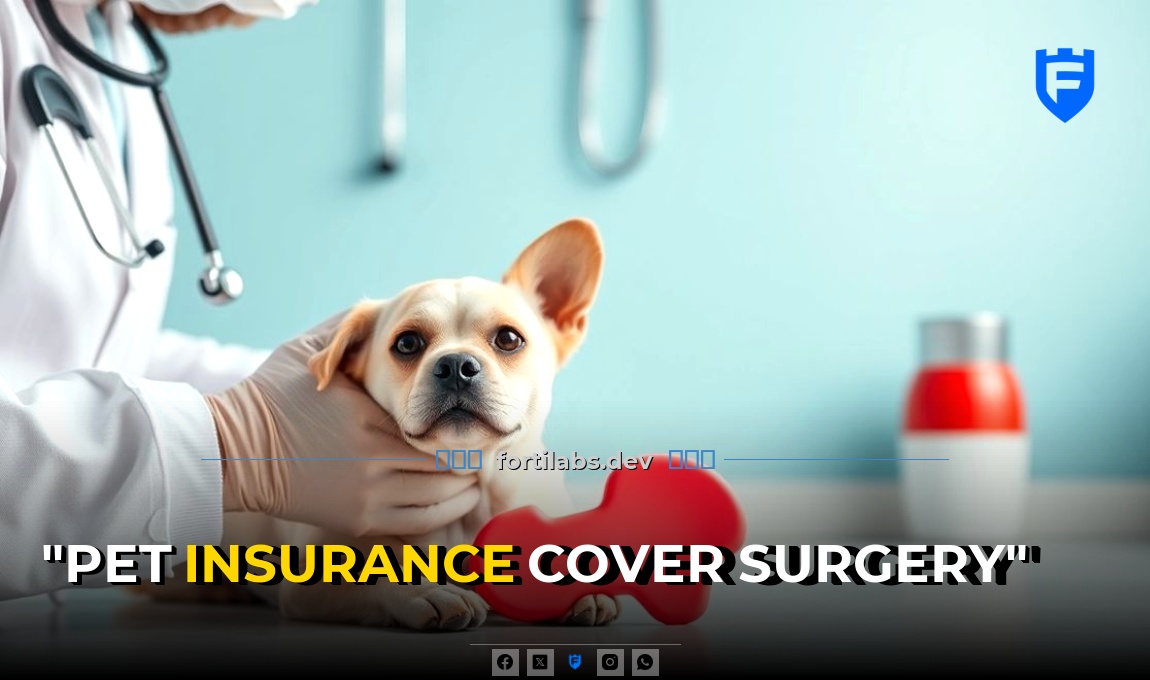
Did you know that around 1 in 3 pets will need emergency surgery in their lifetime? As a pet owner, this statistic should make you stop and think. One of the most common questions I get asked is, “Does pet insurance cover surgery?” The short answer is: it depends. Let me help you understand how pet insurance works with surgery, and how to make the best choice for you and your pet.
Understanding Pet Insurance Coverage
Pet insurance is designed to help you manage the costs of your pet’s healthcare. But not all pet insurance plans are the same. Some cover surgery, some don’t, and some have restrictions. Here’s what you need to know.
What’s Typically Covered
Most pet insurance plans cover accidental injuries, which often require surgery. For example, if your dog gets hit by a car or your cat falls from a tree and breaks a bone, surgery would likely be covered. Some plans also cover illnesses that require surgery, like tumor removal or emergency procedures for conditions like gastric dilatation-volvulus (GDV) in dogs.
What’s Often Not Covered
Pre-existing conditions are almost never covered. If your pet has a condition before you get insurance, any surgery related to that condition won’t be covered. Some plans also exclude elective or cosmetic procedures, like spaying/neutering or tail docking. Always check the fine print of your policy to understand what’s included and what’s not.
Two Approaches to Pet Insurance for Surgery
With pet insurance for surgery, there are two main approaches: accident-only plans and accident-and-illness plans. Each has its pros and cons, and the best choice depends on your pet’s needs and your budget.
Accident-Only Plans
Accident-only plans are typically the most affordable option. They cover injuries from accidents, like broken bones, cuts, or ingestion of foreign objects. If your pet needs emergency surgery due to an accident, these plans can help cover the costs.
- Best for: Pets with no pre-existing conditions, owners on a tight budget, or those who want basic coverage.
- Not ideal for: Pets prone to illness or those who need regular medical care.
Accident-and-Illness Plans
Accident-and-illness plans are more full. They cover both accidents and illnesses, including surgeries for conditions like cancer, diabetes, or hereditary issues. These plans are more expensive but offer broader protection.
- Best for: Pets with a higher risk of illness or those who need ongoing medical care.
- Not ideal for: Owners looking for the most budget-friendly option.
How to Choose the Right Plan
Choosing the right pet insurance plan for surgery coverage involves considering several factors. Here’s how I recommend you approach it.
Assess Your Pet’s Needs
Consider your pet’s breed, age, and health history. Some breeds are prone to certain conditions that may require surgery. For example, large breeds like Great Danes are at higher risk for GDV, while flat-faced breeds like Bulldogs may need surgery for breathing issues. If your pet has a higher risk of illness, an accident-and-illness plan might be worth the investment.
Compare Plans and Providers
Not all pet insurance providers are the same. Some offer better coverage for surgery, while others have lower deductibles or reimbursement rates. Compare plans from different providers to find the one that best fits your needs and budget. Look for reviews and ask for recommendations from other pet owners.
Understand the Waiting Periods
Most pet insurance plans have waiting periods before coverage kicks in. For accidents, the waiting period is usually short, around 1-14 days. For illnesses, it can be longer, sometimes up to six months. Make sure you understand these waiting periods before you sign up, especially if your pet has an impending health issue.
What to Do If Your Pet Needs Surgery
If your pet needs surgery, the last thing you want is to be caught off guard financially. Here’s what to do to ensure you’re prepared.
Check Your Policy
Before your pet’s surgery, review your insurance policy to understand what’s covered. Make sure you know your deductible, reimbursement rate, and any exclusions. If you’re unsure, contact your insurance provider for clarification.
Prepare for Out-of-Pocket Costs
Even with pet insurance, you may have out-of-pocket costs. These can include deductibles, co-pays, or costs for services not covered by your plan. Set aside some money to cover these expenses, so you’re not caught off guard.
Communicate with Your Vet
Talk to your vet about the surgery and any potential costs. Ask for an itemized estimate and discuss payment options. Some vets offer payment plans or discounts for upfront payments. Keep your insurance provider in the loop and ask them to communicate directly with your vet if possible.
Pet insurance can be a lifesaver with covering surgery costs. By understanding what’s covered, choosing the right plan, and preparing for potential out-of-pocket costs, you can ensure your pet gets the care they need without breaking the bank. If you’ve any questions or need help navigating pet insurance, don’t hesitate to reach out to me or a trusted professional. Your pet’s health is worth it.
